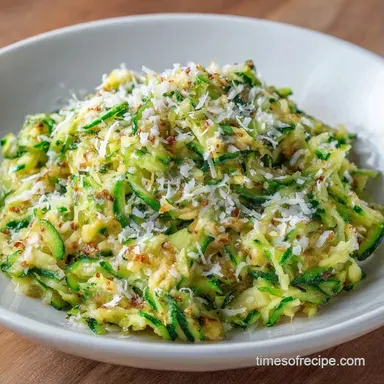
Zucchini Thoran Stir Fry: Nutty and Aromatic
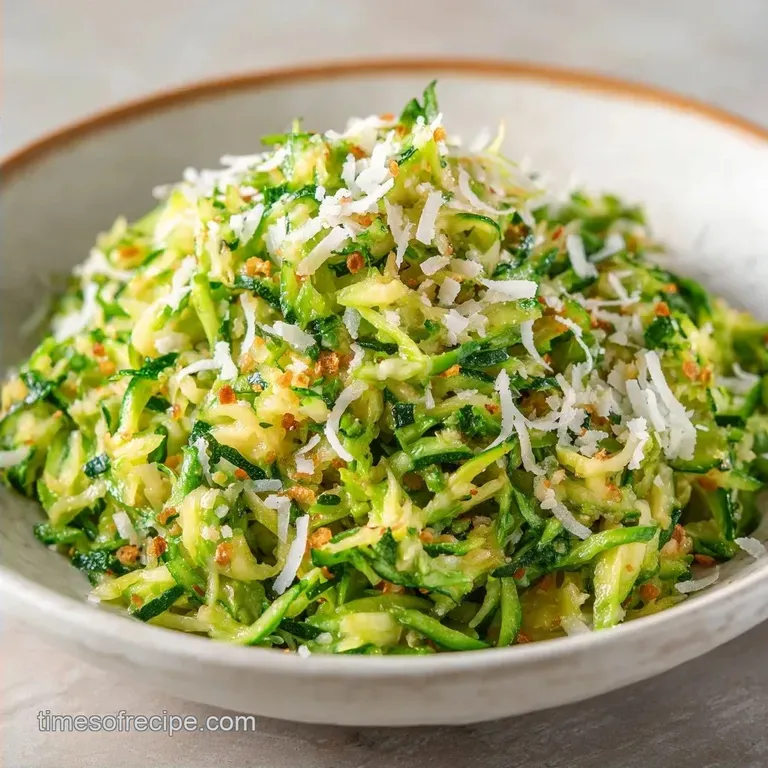
- Time: 10 min prep + 15 min cook
- Flavor/Texture Hook: Nutty, aromatic, and slightly crisp
- Perfect for: Busy weeknight dinners or healthy meal prep
Zucchini Thoran Stir Fry
The sound of brown mustard seeds popping in hot coconut oil is the only alarm clock I need in the kitchen. It's a sharp, rhythmic crackle that tells me the oil is exactly the right temperature for a proper tempering.
I first started making this when I had a garden overflow of zucchini and no patience for long simmer times. I needed something that tasted fresh but felt substantial, and this South Indian style stir fry hit the mark.
This isn't your average sautéed vegetable. The magic happens when you combine the moisture of the zucchini with the dry, nutty texture of freshly grated coconut. It turns a vegetable that often turns into mush into something that feels almost like a coarse grain.
It's the kind of dish that fits perfectly into a hectic Tuesday night when you have twenty minutes to get something healthy on the table.
You can expect a dish that is bright yellow from the turmeric and speckled with green chilies. It doesn't rely on heavy sauces or creams, just the pure fat of coconut oil and the aromatic punch of curry leaves.
Trust me on this, once you try the coconut zucchini combo, you'll stop treating zucchini as just a filler for muffins or pasta.
Why This Method Works
- Moisture Absorption: Grated coconut acts like a sponge. As the zucchini releases water during the stir fry, the coconut absorbs it, preventing the dish from becoming a soup.
- Aromatic Activation: Heating mustard seeds and curry leaves in oil first (the tempering) releases fat soluble flavor compounds that would otherwise stay dormant.
- Surface Area: Grating the zucchini instead of slicing it creates more surface area for the spices to cling to and allows it to cook in under five minutes.
- Flash Cooking: High heat for a short time ensures the zucchini softens without losing its structural integrity or becoming translucent.
| Feature | Fast Grated Method | Classic Diced Method |
|---|---|---|
| Prep Time | 5-10 minutes | 15-20 minutes |
| Texture | Fluffy and cohesive | Chunky and distinct |
| Cook Time | 15 minutes | 25-30 minutes |
| Best For | Quick sides/Meal prep | Slow Sunday lunches |
Component Analysis
| Ingredient | Science Role | Pro Secret |
|---|---|---|
| Grated Coconut | Moisture buffer & Fat source | Use chilled coconut for a better "fluff" |
| Brown Mustard Seeds | Pungency & Texture | Must pop before adding other ingredients |
| Turmeric | Color & Antioxidants | Add in two stages to keep the color vivid |
| Coconut Oil | High smoke point medium | Use virgin oil for a stronger coconut aroma |
Ingredients & Substitutions
For this recipe, I use a mix of fresh aromatics and a few pantry staples. If you're missing something, don't panic. Most of these can be swapped without ruining the dish.
- 2 medium (500g) zucchini, grated Why this? Provides the bulk and natural sweetness.
- Substitute: Yellow squash (works identically).
- 1 cup (60g) freshly grated coconut Why this? Absorbs liquid and adds nutty richness.
- Substitute: Unsweetened desiccated coconut (soak in 1 tbsp warm water first).
- 2 ea (10g) green chilies, roughly chopped Why this? Adds a sharp, clean heat.
- Substitute: 1/2 tsp red chili flakes (milder, less fresh).
- 1/4 tsp (1g) ground turmeric (used twice) Why this? Earthy flavor and bright gold color.
- Substitute: A pinch of saffron (expensive, different flavor profile).
- 1/4 tsp (1g) cumin seeds Why this? Adds a smoky, warm undertone.
- Substitute: Ground cumin (add later in the process).
- 1 tbsp (15ml) water Why this? Helps bind the coconut mixture.
- Substitute: Lime juice (adds a bright, acidic tang).
- 2 tbsp (30ml) coconut oil Why this? Traditional flavor and high heat stability.
- Substitute: Ghee or neutral oil like avocado oil.
- 1 tsp (5g) brown mustard seeds Why this? Provides the signature popping texture.
- Substitute: Yellow mustard seeds (slightly milder).
- 1 sprig (2g) fresh curry leaves Why this? Essential herbal, citrusy aroma.
- Substitute: Small handful of fresh cilantro (add at the very end).
- 1/2 tsp (3g) salt Why this? Enhances all other flavors.
- Substitute: Sea salt or kosher salt.
Essential Equipment
You don't need a fancy kitchen for this. A basic setup will do, but a few specific tools make the process faster.
- Box Grater: Use the coarse side for the zucchini. If you have a food processor with a grating disc, use it to save time.
- Heavy bottomed Skillet: A cast iron or stainless steel pan is best because it holds heat well, which is key for the mustard seeds to pop.
- Colander: Essential for draining the zucchini if you're using particularly watery summer squash.
- Wooden Spoon: Better than metal for folding in the coconut without bruising the zucchini.
Cooking Process
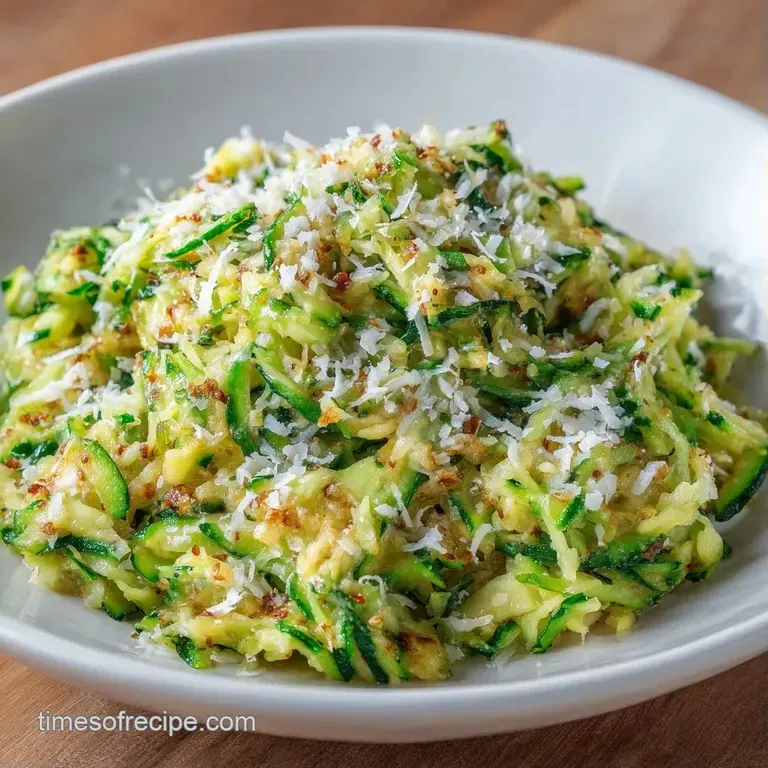
Follow these steps in order. The timing is tight, so have all your ingredients measured and ready before you turn on the stove.
- Grate the zucchini. Use the coarse side of your grater. If the zucchini feels exceptionally watery, place the shreds in a colander, sprinkle with a pinch of salt, let sit for 5 minutes, and gently press with a paper towel. According to Serious Eats, salting vegetables draws out excess water through osmosis, which prevents steaming in the pan.
- Prepare coconut mix. In a small bowl, combine the 60g grated coconut, 10g chopped green chilies, 1g turmeric, 1g cumin seeds, and 15ml water. Mix with your fingers to ensure the turmeric is evenly distributed.
- Heat coconut oil. Place 30ml coconut oil in your skillet over medium high heat. Wait until the oil shimmers.
- Pop the seeds. Add 5g brown mustard seeds. Cook for 30-60 seconds until they stop sizzling and start to pop.
- Temper the leaves. Immediately add the 2g curry leaves. Sauté for 10 seconds until they crackle and turn translucent green.
- Sauté zucchini. Stir in the grated zucchini and the second pinch (1g) of turmeric. Sauté for 3-5 minutes on medium high heat, stirring constantly until softened but still retaining a slight bite.
- Fold in coconut. Add the coconut mixture. Stir well to combine.
- Final dry down. Cook for another 2-3 minutes until the moisture is fully absorbed and the dish looks dry and fluffy.
Chef's Note: If you're using a very over high heat burner, keep the zucchini moving. If it sits still for too long, the turmeric can scorch and leave a bitter taste.
Fixing Common Issues
Getting the texture of a Thoran right takes a little practice. The biggest struggle is usually the water content.
Troubleshooting Common Issues
| Issue | Solution |
|---|---|
| Zucchini Thoran too watery | This usually happens if the zucchini was grated too finely or if the pan wasn't hot enough. |
| Why did my mustard seeds not pop | Mustard seeds only pop when the oil reaches a specific temperature. If you add them to cool oil, they'll just soften. If this happens, you can't "re pop" them once they've soaked up oil. |
| Stop the coconut from burning | Coconut has a high fat content and can brown quickly. Only add it in the final few minutes of cooking. |
Common Mistakes Checklist
- ✓ Did you wait for the oil to shimmer before adding seeds?
- ✓ Did you salt drain the zucchini if it felt watery?
- ✓ Did you use the coarse grater instead of the fine one?
- ✓ Did you add the coconut mixture at the end, not the beginning?
- ✓ Is the final texture dry and fluffy rather than wet?
Scaling Tips
Adjusting the volume of this recipe is straightforward, but you can't just multiply everything linearly.
Scaling Down (Half Batch): Use a smaller 8 inch skillet. Because there is less moisture in the pan, you'll likely need to reduce the sauté time by about 20% to avoid drying out the zucchini. Use half the coconut oil, but keep the mustard seeds at a full teaspoon for a better flavor punch.
Scaling Up (Double or Triple Batch): Don't crowd the pan. If you put too much zucchini in at once, the temperature will drop, and you'll end up with a boiled vegetable rather than a stir fry. Work in batches or use two pans.
Increase the salt and turmeric to 1.5x rather than 2x spices can become overwhelming in larger volumes.
Pro Tip for Large Batches: If you're making a massive amount for a party, sauté the zucchini and the tempering separately, then fold them together in a large bowl with the coconut mixture.
Kitchen Myths
"You must use fresh coconut for this to work." While fresh is better, frozen grated coconut is a perfectly fine shortcut. Just make sure it's unsweetened. Thaw it completely and pat it dry with a paper towel before mixing it with the spices.
"Zucchini is too watery for a stir fry." Some people avoid using zucchini in Asian style stir fries because it leaks. The "Thoran" method solves this by using the coconut as a binder. As long as you follow the over high heat, short time rule, the water becomes an asset that helps steam the coconut.
Saving and Reheating
Storage Guidelines Store leftovers in an airtight container in the fridge for up to 3 days. The coconut keeps the zucchini relatively stable, but it will release a bit more water over time.
Reheating Process Avoid the microwave if possible, as it makes the zucchini rubbery. Instead, toss it back into a hot skillet for 2 minutes. If it seems too dry, add a teaspoon of coconut oil to refresh the aromatics.
Zero Waste Strategy Don't throw away the zucchini ends! Peel them and toss them into a vegetable stock. If you have leftover Thoran, it makes a great base for Leftover Zucchini Pancakes the next morning. Just mix the cold stir fry with a bit of chickpea flour and a beaten egg, then pan fry until crispy.
Serving Suggestions
This Zucchini Thoran Stir Fry is a versatile side dish. Because it is savory and slightly nutty, it pairs well with protein heavy mains. I love serving it alongside a piece of grilled fish or as a companion to Curried Shredded Zucchini for a vegetable forward feast.
For a full meal, serve it with a mound of steamed basmati rice and a dollop of plain Greek yogurt or coconut curd to cool down the heat from the green chilies. If you want something lighter, it works brilliantly as a topping for a quinoa bowl or a side for a lentil dal.
Decision Shortcut: If you want a Main Course: Add cubed tofu or chickpeas during the zucchini sauté phase. If you want a Zucchini and Tomato Stir Fry: Add 1 cup of diced cherry tomatoes just before folding in the coconut.
If you want a Zesty Twist: Squeeze half a lime over the dish right before serving.
Recipe FAQs
How to prevent the zucchini from getting too watery?
Salt the shreds and press them with a paper towel. Sprinkle a pinch of salt on the grated zucchini in a colander for 5 minutes, then gently press to remove excess moisture.
Why did my mustard seeds not pop?
The oil was not hot enough. Mustard seeds require shimmering coconut oil to pop; if added to cool oil, they will simply soften and cannot be "re-popped."
How to stop the coconut from burning?
Fold in the coconut mixture during the last 2-3 minutes of cooking. Because of its high fat content, adding it too early causes it to brown too quickly.
What is a good substitute for zucchini in this recipe?
Yellow squash is the best alternative. If you prefer a different flavor profile entirely, try a simple salt and pepper preparation.
Is it true I should add the coconut at the start of the sauté?
No, this is a common misconception. The coconut must be added at the end to maintain its fluffy texture and prevent scorching.
How to ensure the dish has a dry and fluffy texture?
Cook for an additional 2-3 minutes after adding the coconut. Stir constantly on medium high heat until all moisture is fully absorbed.
How to tell when the curry leaves are ready?
Sauté them until they crackle and turn translucent green. This happens immediately after the mustard seeds stop sizzling in the pan.
Zucchini Thoran Stir Fry