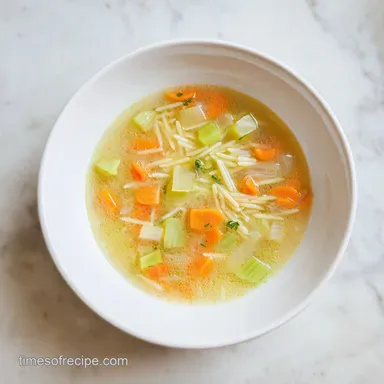
Italian Pastina Soup: Rich and Velvety
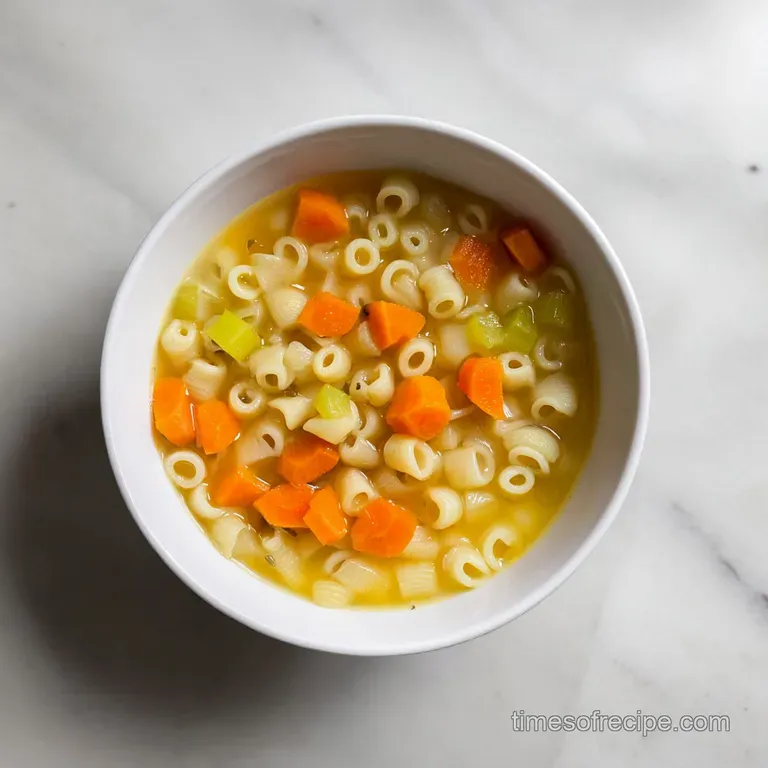
- Time:15 minutes active + 30 minutes cook = 45 minutes total
- Flavor/Texture Hook: Velvety, buttery broth with tender, tiny pasta stars
- Perfect for: Sick days, rainy winters, or when you just need some nostalgia
- Authentic Italian Pastina Soup for Cold Days
- Avoid the Common Pastina Mistakes
- Essential Recipe Specifications
- Your Shopping List Guide
- Necessary Kitchen Gear
- Step-by-Step Cooking Guide
- Fixing Common Soup Issues
- Troubleshooting Common Issues
- Creative Flavor Variations
- Storage and Leftover Tips
- Serving the Final Bowl
- High in Sodium
- Recipe FAQs
- 📝 Recipe Card
Authentic Italian Pastina Soup for Cold Days
The first thing you notice is that specific, buttery sizzle. You know the one, where the butter hits the pan and starts to foam just before the diced carrots and celery dive in. For me, that sound is a time machine.
It takes me straight back to my grandmother's kitchen, where the windows were always fogged up from the steam and the air smelled like simmering garlic and lemon. She called this "Italian penicillin," and honestly, no matter how bad a cold I had, one bowl of this stuff felt like it was physically repairing my soul.
There's something about those tiny pasta shapes, the pastina, that makes you feel like a kid again. I remember sitting at the heavy oak table, watching her stir the pot with a wooden spoon that had been worn smooth over forty years. She didn't use a measuring cup; she just knew.
But for us, we're going to use a few specific tricks to make sure your Italian Pastina Soup has that exact same velvety texture and hearty depth without the guesswork.
This isn't just a quick meal; it's a ritual. Whether you're fighting a flu or just had a rough day at work, this soup is designed to be gentle on the stomach but bold in flavor. We're building layers here, starting with a classic aromatic base and finishing with a creamy egg whisk, ensuring every spoonful is satisfying and warm.
Avoid the Common Pastina Mistakes
Most people treat this like a standard noodle soup, but that's where they go wrong. If you boil the pasta in a separate pot and drop it in at the end, you miss out on the most important part: the starch.
When you cook the pastina directly in the broth, the pasta releases natural starches that thicken the liquid, giving it a silky body rather than a thin, watery consistency.
Then there's the egg issue. Some recipes just crack an egg in and hope for the best, which leads to those weird, rubbery chunks of cooked egg. To get that smooth, creamy emulsion, you have to temper the eggs. This means introducing them to the heat slowly so they thicken the soup without curdling.
It's a small step, but it's the difference between a basic soup and a truly comforting bowl of Italian Pastina Soup.
Finally, don't forget the acid. A lot of folks skip the lemon juice at the end, but without it, the butter and cheese can feel too heavy. A quick squeeze of lemon cuts through the richness and wakes up all the other flavors, making the chicken and vegetables pop.
It's the "secret" ingredient that makes this version feel professional yet homey.
Texture Guide: How You Like Your Broth
| Desired Consistency | Pasta Cook Time | Egg Ratio | Final Result |
|---|---|---|---|
| Brothy & Light | 6 minutes | 1 Egg | Clearer liquid, distinct pasta |
| Classic Comfort | 8 minutes | 2 Eggs | Velvety, slightly thickened |
| Rich & Creamy | 10 minutes | 3 Eggs | Thick, porridge like consistency |
And remember, the pasta continues to cook even after you turn off the heat. If you overcook it in the pot, you'll end up with a mushy mess by the time it hits the table.
Essential Recipe Specifications
Before we dive into the pot, let's look at the numbers. This Italian Pastina Soup is designed for efficiency without sacrificing that slow cooked taste. We're keeping the prep simple, focusing on a fine dice for the vegetables so they cook evenly and integrate perfectly with the tiny pasta.
The total time comes in at 45 minutes. You'll spend 15 minutes chopping and prepping, and about 30 minutes at the stove. Because we're using pre cooked chicken, we don't have to spend hours simmering a whole bird.
This makes the recipe accessible for a weeknight while still tasting like it spent the whole day on the stove.
For the best results, use a heavy bottomed stockpot. This prevents the butter from burning and ensures the heat is distributed evenly when you're tempering the eggs. If you're using a thin pot, just keep your heat a bit lower to avoid scorching the bottom.
Your Shopping List Guide
When you're picking out your ingredients, don't settle for the pre cut frozen veggie mixes. There's a huge difference in flavor when you sauté fresh carrots and celery in butter. For the pastina, look for "stelline" (stars) or "acini di pepe" (peppercorns). Both work beautifully in an Italian Pastina Soup.
Component Analysis
| Ingredient | Science Role | Pro Secret |
|---|---|---|
| Unsalted Butter | Fat Base | Use European style butter for a higher fat content and silkier mouthfeel |
| Pastina | Thickening Agent | Don't rinse the pasta; the surface starch is what thickens the soup |
| Eggs | Emulsifier | Room temperature eggs temper more easily and prevent curdling |
| Lemon Juice | Brightener | Freshly squeezed only; bottled juice tastes too metallic for this delicate base |
The Full Ingredient List
- 2 tbsp unsalted butter Why this? Adds a rich, nutty base to the broth
- 1 tbsp extra virgin olive oil Why this? Raises the smoke point so butter doesn't burn
- 1 medium yellow onion, finely diced Why this? Provides a sweet, aromatic foundation
- 2 medium carrots, finely diced Why this? Adds natural sweetness and color
- 2 stalks celery, finely diced Why this? Adds an earthy, savory depth
- 3 cloves garlic, minced Why this? Essential for that pungent, comforting aroma
- 1 tsp kosher salt Why this? Enhances all other flavors
- ½ tsp cracked black pepper Why this? Adds a subtle, woody heat
- 8 cups chicken broth Why this? The liquid gold that carries everything
- 2 cups pastina Why this? Tiny shapes that hold onto the broth
- 2 cups cooked chicken breast, shredded or diced Why this? Adds heartiness and protein
- 2 large eggs, beaten Why this? Creates the signature velvety texture
- ½ cup freshly grated Parmesan cheese Why this? Adds salty, umami richness
- 1 tbsp fresh lemon juice Why this? Cuts through the fat and brightens the dish
- 2 tbsp fresh parsley, chopped Why this? A fresh, green finish to balance the richness
Ingredient Swaps
| Original Ingredient | Substitute | Why It Works |
|---|---|---|
| Chicken Broth | Vegetable Broth | Same liquid base. Note: Lacks the depth of chicken; add a pinch of soy sauce for umami |
| Parmesan Cheese | Pecorino Romano | Similar salty profile. Note: Much saltier and sharper than Parmesan |
| Cooked Chicken | Shredded Turkey | Very similar protein. Note: Leaner, so you might want an extra tsp of butter |
| Pastina | Orzo | Similar small shape. Note: Larger than pastina, requires 2-3 more minutes of cooking |
Since we're dealing with a broth based dish, the quality of your chicken stock is everything. If you have the time, a homemade stock is always better, but a high-quality store-bought brand works perfectly for this quick version.
Necessary Kitchen Gear
You don't need a professional kitchen to pull this off, but a few tools make it a breeze. A sharp chef's knife is non negotiable here because the vegetables need to be diced very small. If the carrots are too chunky, they'll feel awkward next to the tiny pastina stars.
A medium sized whisk is your best friend for the egg stage. You can use a fork, but a whisk helps you incorporate the hot broth into the eggs much faster, which is key to preventing those dreaded egg clumps. Also, grab a fine grater for the Parmesan.
Pre shredded cheese is coated in cornstarch to prevent clumping, which can make your Italian Pastina Soup feel grainy rather than silky.
Finally, a heavy stockpot is the way to go. I prefer a 5 quart pot for this. It gives you enough room to stir the pasta and chicken without splashing broth all over your stove. If you're using a small pot, just be careful when whisking in the eggs.
Step-by-step Cooking Guide
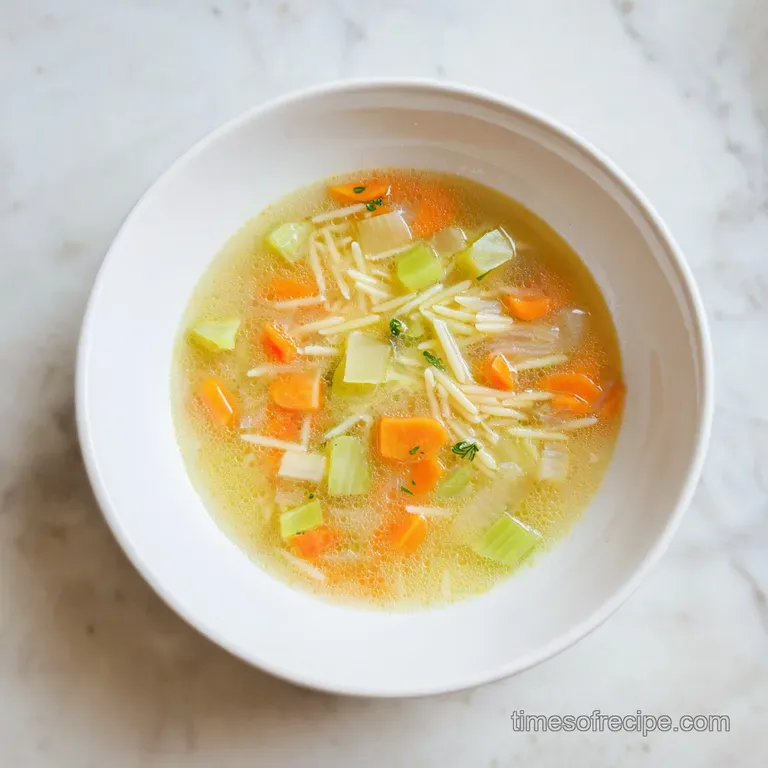
Right then, let's get cooking. Remember, we're building flavors in stages. Don't rush the vegetables; that's where the soul of the soup lives.
Phase 1: Building the Flavor Foundation
Heat the butter and olive oil over medium heat in a stockpot. Add the diced onion, carrots, and celery, sautéing for 6-8 minutes until the vegetables are translucent and soft. Note: Don't brown them; we want a sweet, soft base, not a caramelized one.
Stir in the minced garlic, salt, and pepper, cooking for 60 seconds until you smell that pungent garlic aroma filling the kitchen. Note: Garlic burns quickly, so keep it moving.
Phase 2: Simmering the Broth
- Pour in the chicken broth and increase heat to medium high. Bring to a gentle boil, then reduce heat to low and simmer for 10 minutes. Note: This allows the vegetable flavors to fully meld into the liquid.
Phase 3: Cooking the Pastina
- Stir in the pastina and the shredded chicken. Maintain a steady simmer for 6-9 minutes until the pasta is tender but still has a slight bite. Note: This is the critical window to avoid "pasta porridge."
Phase 4: The "Penicillin" Finish
Temper the beaten eggs by whisking in a small amount of the hot broth into the egg bowl, then slowly stir the egg mixture back into the soup until the broth looks velvety and creamy. Note: This prevents the eggs from scrambling.
Remove from heat and stir in the grated Parmesan cheese, fresh lemon juice, and chopped parsley. Note: Stirring these in off the heat preserves the brightness of the lemon and the freshness of the herbs.
Chef's Tip: For a deeper flavor, try adding a tiny pinch of ground nutmeg when you add the garlic. It's a classic Italian trick that doesn't make the soup taste like dessert but adds a mysterious, warm depth that people can't quite put their finger on.
Fixing Common Soup Issues
Even the best of us hit a snag now and then. The most common issue with Italian Pastina Soup is the thickness. Because the pasta is so small, it absorbs liquid at an alarming rate. If you let the soup sit for too long before serving, it can turn into a thick stew.
Troubleshooting Common Issues
| Issue | Solution |
|---|---|
| Why Your Soup Is Too Thick | This usually happens because the pastina kept cooking after you turned off the heat. The starch continues to swell, soaking up the chicken broth. It's not ruined, it just needs a little adjustment. |
| Why Your Broth Tastes "Flat" | If the soup tastes like it's missing something, it's almost always a lack of acid or salt. The butter and cheese provide plenty of richness, but without a hit of lemon, the flavors don't "wake up." |
| Why Your Pasta Is Mushy | Overcooking the pastina is the fastest way to ruin the texture. If the pasta is too soft, it loses its individual shape and blends into the broth, creating a texture more like oatmeal than soup. Tro |
Common Mistakes Checklist
- ✓ Did you dice the vegetables small enough?
- ✓ Did you temper the eggs before adding them to the pot?
- ✓ Did you stir in the lemon juice at the very end?
- ✓ Did you pull the soup off the heat before the pasta became mushy?
- ✓ Did you use freshly grated cheese instead of pre shredded?
Creative Flavor Variations
Once you've nailed the basic Italian Pastina Soup, you can start playing around with the ingredients. While the traditional version is all about comfort, a few tweaks can turn this into a more substantial meal or a lighter appetizer.
For a Protein Boost
If you want something more filling, swap the shredded chicken for tiny meatballs (polpettini). Brown the meatballs first, then follow the recipe as usual. The meat juices will add an incredible richness to the broth. If you're looking for something different, thispairs well with other hearty Italian classics, like my and Beef (1h 50min) recipe, though the soup is definitely the star on a sick day.
For gluten-free Needs
You can find gluten-free pastina these days, but be careful. GF pasta often releases more starch and can break down faster. Reduce the simmer time by 2 minutes and keep extra broth on hand, as GF versions tend to thicken the soup even more than wheat based pasta.
For an Extra Creamy Finish
If the egg emulsion isn't enough for you, stir in a tablespoon of heavy cream or a dollop of mascarpone at the very end. For a similarly creamy experience with a different cultural twist, you might enjoy the velvety textures found in Turkish Chicken White Sauce, which uses a similar logic of building richness through fats and emulsions.
For a Vegetarian Twist
Simply swap the chicken broth for a high-quality vegetable stock and omit the chicken. To keep the protein high, add some cannellini beans or diced tofu. A bit of nutritional yeast can also add that savory, cheesy depth that the chicken usually provides.
Storage and Leftover Tips
Here is the tricky part: Italian Pastina Soup doesn't love to be stored. Because those tiny noodles are like sponges, they will continue to absorb the broth as they sit in the fridge. By the next morning, your soup might look more like a risotto.
Storage Guidelines
- Fridge: Store in an airtight container for up to 3 days.
- Freezer: I don't recommend freezing this version because of the egg and cheese emulsion, which can separate and become grainy upon thawing.
To reheat, place the soup in a pot over medium heat. You'll almost certainly need to add a splash of chicken broth or water to loosen it back up. Stir gently so you don't break the pasta stars.
Zero Waste Kitchen
Don't throw away your veggie scraps! Whenever I'm prepping for this soup, I toss the onion skins, carrot ends, and celery leaves into a freezer bag. Once the bag is full, I simmer them with water and a bay leaf for a few hours to make a "free" vegetable stock.
This stock is a great base for other soups or can be mixed with chicken broth to add extra depth.
Serving the Final Bowl
The presentation of this dish is half the fun. I love serving it in a wide, shallow bowl, which allows the steam to carry the lemon and garlic aromas straight to your nose. Top it with an extra sprinkle of Parmesan and a few more cracks of black pepper for a bit of visual contrast.
If you're serving this to someone who is feeling under the weather, keep it simple. A side of toasted sourdough bread rubbed with a garlic clove is all you need. The crunch of the toast provides a great contrast to the velvety texture of the soup.
Trust me on this: don't overcomplicate it. This recipe isn't about being fancy; it's about that feeling of being looked after. One spoonful of this Italian Pastina Soup, and you'll understand why it's been a staple in Italian homes for generations.
Right then, get your pot on the stove and enjoy a bowl of pure, unadulterated comfort.
High in Sodium
916 mg 916 mg of sodium per serving (40% 40% of daily value)
The American Heart Association recommends a daily sodium limit of 2,300 mg for most adults to maintain heart health.
Tips to Reduce Sodium
-
Swap Your Broth-30%
Replace the chicken broth with low-sodium or no-salt added chicken broth to drastically cut the primary source of sodium.
-
Limit Added Salt-25%
Omit or reduce the 1 tsp of kosher salt; the broth and cheese already provide plenty of seasoning.
-
Reduce Parmesan Cheese-15%
Use less Parmesan cheese or substitute with a small amount of nutritional yeast for a similar savory, nutty taste.
-
Enhance with Aromatics
Increase the fresh lemon juice and parsley to brighten the dish and mimic the taste of salt through acidity.
Recipe FAQs
What do Italians call pastina soup?
Pastina. It refers to the tiny pasta shapes used in these comforting broths, which are traditionally served as soul food for children or those feeling unwell.
Which soup is best for diabetics?
Low-carb, vegetable based soups. To adapt this recipe for a diabetic diet, reduce the amount of pastina to lower the overall glycemic load.
What is the most famous soup in Italy?
Minestrone. While this hearty vegetable soup is globally recognized, pastina is the preferred choice for home comfort, similar to the satisfying nature of San Francisco cioppino.
What soup is good for gastritis?
Mild, non-acidic broths. To make this recipe suitable for gastritis, omit the lemon juice to avoid irritating the stomach lining.
How to prevent the soup from becoming too thick?
Add a splash of chicken broth during reheating. The pastina continues to absorb liquid even after the heat is turned off, which can turn the soup into a porridge like consistency.
How to create the creamy texture without adding cream?
Temper the beaten eggs by whisking in hot broth. Slowly stir this mixture back into the pot to create a stable, creamy emulsion without needing heavy dairy.
Is it true that you can freeze pastina soup for later?
No, this is a common misconception. The egg and cheese emulsion can separate and become grainy upon thawing, ruining the smooth texture of the soup.
Italian Pastina Soup