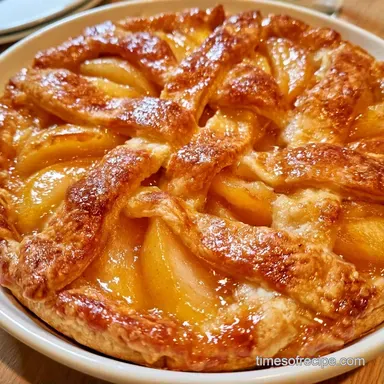
Golden Fresh Pear Pie
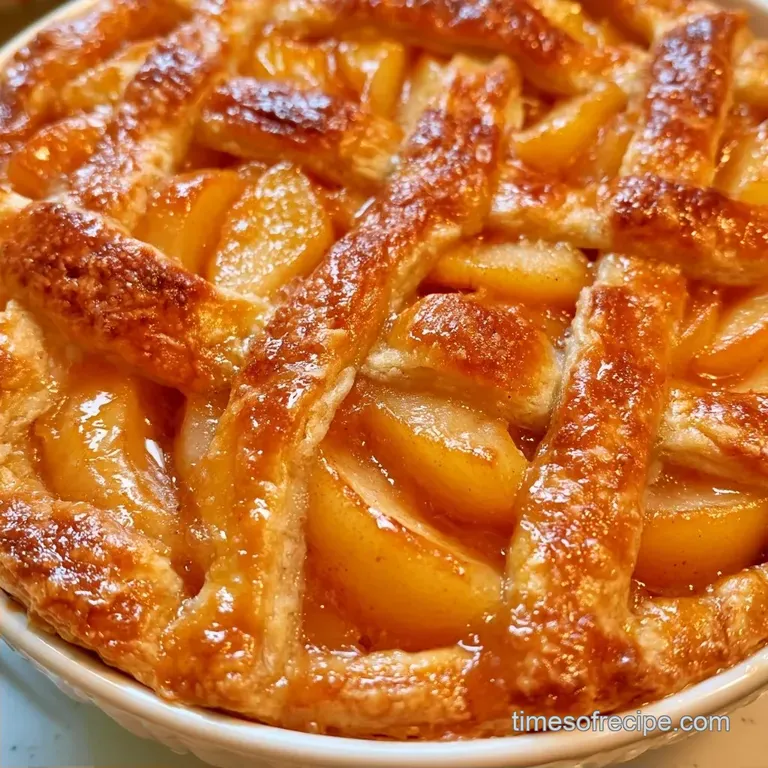
- Time: 30 min active + 60 min chilling
- Flavor/Texture Hook: Golden-brown, crisp crust with a tender, spiced filling
- Perfect for: Autumn dinner parties or Sunday family get-togethers
There is something special about the aroma of toasted butter and cinnamon wafting through the house. I recall a gloomy Tuesday in October when I was convinced that pears were far too watery for a traditional pie, fearing they would simply dissolve into a soggy mess.
Discard the notion that pears are too fragile for the oven. When you select the right fruit and control the moisture, you get a dessert that is even more sophisticated than apple pie. This Fresh Pear Pie possesses a subtle, refined sweetness that is perfect for a chilly day.
You can look forward to a crust that snaps under the knife and a filling that is lush yet holds its shape. We will focus on precise temperature and timing to ensure the final result looks like it came from a professional patisserie.
Why This Fresh Pear Pie Works
Cold Butter: Keeping the fat chilled prevents it from melting into the flour. This creates tiny steam pockets during baking that lift the dough into flaky layers.
Cornstarch Slurry: Pears release a lot of liquid. The cornstarch binds with these juices to create a thick, glossy sauce that keeps the slices distinct.
Acid Balance: Lemon juice and zest cut through the sugar. This prevents the filling from tasting one dimensional and keeps the pear color bright.
Necessary Baking Tools
While you don't need fancy equipment, having a few basics on hand simplifies things. A standard 9 inch pie dish works best; one with sloped sides is ideal for helping the crust climb the walls without shrinking.
To prepare the dough, use two forks or a pastry cutter. Aim to break the butter into pea-sized lumps without overworking the mixture, as over mixing results in a tough, bread like texture rather than a flaky one.
Lastly, gather a rolling pin and a sheet of parchment paper. Rolling the dough on parchment makes transferring it into the dish much easier and prevents the bottom from tearing.
Everything You Need
This recipe is all about the fruit. I typically reach for Bosc pears since they maintain their structure during a long bake. Bartlett pears are also a great choice, though they tend to get softer.
| Component | Purpose | Substitute Notes |
|---|---|---|
| Unsalted Butter | Flakiness | Margarine: softer, less rich |
| Bosc Pears | Bulk & Texture | Apples: tarter, firmer |
| Cornstarch | Thickening | Flour: slightly grainier result |
| Lemon Zest | Brightness | Lime zest: more tropical |
For the Crust:
- 2 ½ cups (315g) all purpose flourWhy this? Standard protein for a sturdy yet flaky base
- 1 cup (225g) unsalted butter, chilled and cubedWhy this? High fat content for layering
- 1 tsp (6g) fine sea salt
- 1 tbsp (12g) granulated sugar
- 6 8 tbsp (90 120ml) ice cold waterWhy this? Keeps butter from melting
For the Filling:
- 3 lbs (1.36kg) firm pears (Bartlett or Bosc), peeled, cored, and slicedWhy this? Firm varieties resist mushiness
- ⅔ cup (135g) packed light brown sugar
- ⅓ cup (65g) granulated sugar
- ¼ cup (30g) cornstarch
- 1 tsp (2g) ground cinnamon
- ½ tsp (1g) ground ginger
- ¼ tsp (0.5g) ground cloves or nutmeg
- 1 tbsp (15ml) fresh lemon juice
- 1 tbsp (6g) lemon zest
For the Finish:
- 1 large egg
- 1 tbsp (15ml) water
- 1 tbsp (8g) coarse sanding sugar
Short on a specific item? No problem. A few simple alternatives will keep your Fresh Pear Pie on the right track.
| Original Ingredient | Substitute | Why It Works |
|---|---|---|
| Bosc Pears | Anjou Pears | Similar density. Note: Slightly sweeter |
| Light Brown Sugar | Dark Brown Sugar | More molasses flavor. Note: Deeper color |
| Ground Cloves | Ground Allspice | Similar warm profile. Note: Slightly peppery |
Trust me, paying close attention to the temperature of your ingredients is the most critical part of the process.
Baking Time and Yield
This recipe makes one deep dish pie that serves 8 people. The timing is split between the active work and the necessary waiting periods.
- Preparation
- 30 minutes
- Baking
- 60 minutes
- Total Time
- 150 minutes
Precision checkpoints for your bake: 1. Butter should be roughly 40°F (4°C) when added to the flour. 2. The dough must chill for at least 60 minutes. 3. The filling is done when the juices bubble thickly through the crust vents.
Steps for Baking
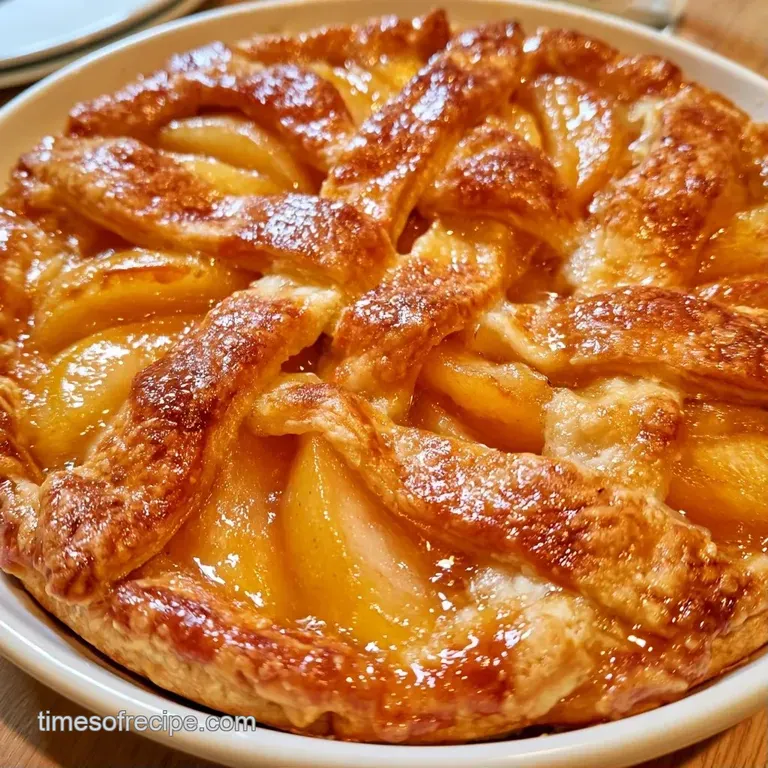
Phase 1: Quick Chill Pastry
- In a large bowl, whisk together the flour, salt, and sugar.
- Stir in the chilled butter cubes. Using a pastry cutter or forks, work the fat until pea-sized lumps remain.
- Gradually add ice water, one tablespoon at a time, stirring with a fork until the dough just begins to clump together.
- Form the dough into two discs, wrap in plastic, and refrigerate for 60 minutes. Note: This relaxes the gluten and chills the fat.
Phase 2: Aromatic Pear Filling
- Cut pears into ¼-inch thick wedges and place them in a large mixing bowl.
- In a small bowl, whisk together the brown sugar, granulated sugar, cornstarch, cinnamon, ginger, and cloves.
- Pour the sugar blend over the pears along with the lemon zest and juice. Toss gently until every slice is coated in a silky slurry.
Phase 3: Assembly & Baking
- Roll out the first disc on parchment paper to fit your pie dish, pressing it gently into the bottom and sides.
- Fill the crust with the pear mixture. Roll out the second disc and place it on top, then trim and pinch the edges to seal.
- Cut 4-5 steam vents in the top crust. Brush with the egg and water mixture, then sprinkle with sanding sugar.
- Bake at 400°F (200°C) for 60 minutes until the crust is mahogany brown and juices are bubbling.
Fixing Common Issues
Making a Fresh Pear Pie can be challenging when your fruit is particularly juicy. I once baked one where the bottom was so moist it nearly slid off the plate. That experience proved that the cornstarch ratio is absolutely essential.
Preventing a Soggy Base
The trick is to avoid overfilling the crust. If you pile the pears too high, the center takes longer to cook, which allows more juice to soak into the bottom layer.
Managing Burnt Edges
The outer edges of the crust usually brown faster than the center. If you see them darkening too quickly around the 40 minute mark, loosely cover the rim with a piece of foil.
Fixing Tough Dough
Over rolling the dough or using warm water causes the gluten to become too tight, resulting in a rubbery texture. The secret is to chill the dough completely and handle it as little as possible.
| Problem | Fix |
|---|---|
| Soggy Bottom | Use a pie shield or blind bake the base |
| Runny Filling | Add 1 extra tbsp of cornstarch to pears |
| Rubbery Crust | Chill dough for a full 60 minutes |
Adjusting the Yield
To make a smaller portion, simply cut the recipe in half. Switch to a 6 inch pie dish and shave roughly 20% off the baking time. To handle the egg, whisk one egg in a small bowl and measure out 2 tablespoons for the wash.
If you're feeding more people, I suggest baking two individual pies instead of one oversized one. Attempting a 4x batch frequently results in an undercooked center. When doubling the ingredients for two pans, only increase the salt and spices by 1.5x (rather than 2x) to maintain a balanced flavor profile.
If you bake both pies simultaneously, drop the oven temperature by 25°F (roughly 15°C) and add 10 minutes to the timer. This helps both crusts achieve a golden brown color without scorching the bottoms.
| Goal | What to Change |
|---|---|
| Tarter Filling | Add extra lemon zest |
| Slower Bake | Lower temp by 25°F |
| Extra Sweet | Add 2 tbsp more brown sugar |
Storing Your Pie
After the Fresh Pear Pie has fully cooled, it can stay on the counter for about 2 days. Since pears contain more moisture than apples, I find that refrigerating the pie helps the crust stay crisp.
It keeps for 4 days in the fridge. Wrap the pie tightly in foil or use an airtight container. To reheat, warm a slice at 350°F (175°C) for 10 minutes. This restores the shatter crisp texture that is lost in the microwave.
You can also freeze this pie, though I prefer freezing it unbaked. Wrap your assembled pie in plastic and foil and freeze for up to 3 months. To serve, bake it directly from frozen, adding an extra 15-20 minutes to the total baking time.
Instead of discarding the pear peels and cores, simmer them with a cinnamon stick and some water to create a light pear syrup. It's a wonderful topping for pancakes or yogurt the next morning.
Trying Different Flavors
For a different twist, consider a Fresh Pear and Apple Pie Recipe using a 50/50 mix of Bosc pears and Granny Smith apples. The tartness of the apple balances the mellow pear flavor and provides a bit more structure to the filling.
To give it a more European feel, try a French Pear Pie Recipe. Rather than a top crust, spread a dollop of almond paste (frangipane) over the pears before baking to create a stunning, nutty, cake like topping.
If you aren't feeling a full crust, a Pear Pie Crumble is a delicious alternative. Swap the top dough for a combination of oats, butter, and brown sugar. This works well if you are already making applesauce bars and want another oat-based snack for the week.
Serving Suggestions
The best way to serve a slice of Fresh Pear Pie is warm, with a scoop of high-quality vanilla bean ice cream. The cold cream melting into the spiced pears is a match made in heaven.
For a more sophisticated presentation, add a dollop of crème fraîche or a drizzle of salted caramel. The slight tang of the cream balances the rich sugars in the filling.
If you love classic desserts, this pairs wonderfully with a cup of strong Earl Grey tea. If you're planning a larger dessert spread, this provides a nice contrast to something tart, like a lemon meringue pie.
Since the pears are so elegant, keep the plating simple. A single slice on a white plate with a sprig of fresh mint looks professional and clean. Trust your instincts, and let the golden colors of the crust do the talking.
Recipe FAQs
How ripe should my pears be for pear pie?
Use firm pears like Bartlett or Bosc. These varieties hold their shape during the 60 minutes of cook time.
Which spices create the best flavor profile?
A mixture of cinnamon, ginger, and cloves provides a warm, complex taste. This same approach to flavor balancing is used in our cinnamon bread.
Is it true that any pear variety works for baking?
Surprisingly, no. Overripe pears release too much moisture and lose their structure, resulting in a mushy filling.
How to prevent a soggy bottom crust?
Refrigerate the dough discs for at least 60 minutes before rolling. This keeps the butter chilled and ensures a crispier finish.
Fresh Pear Pie