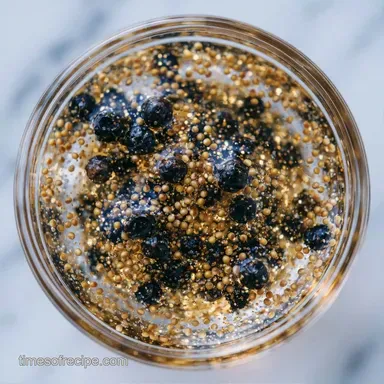
Homemade Vinegar Pickle Brine in 10 Minutes
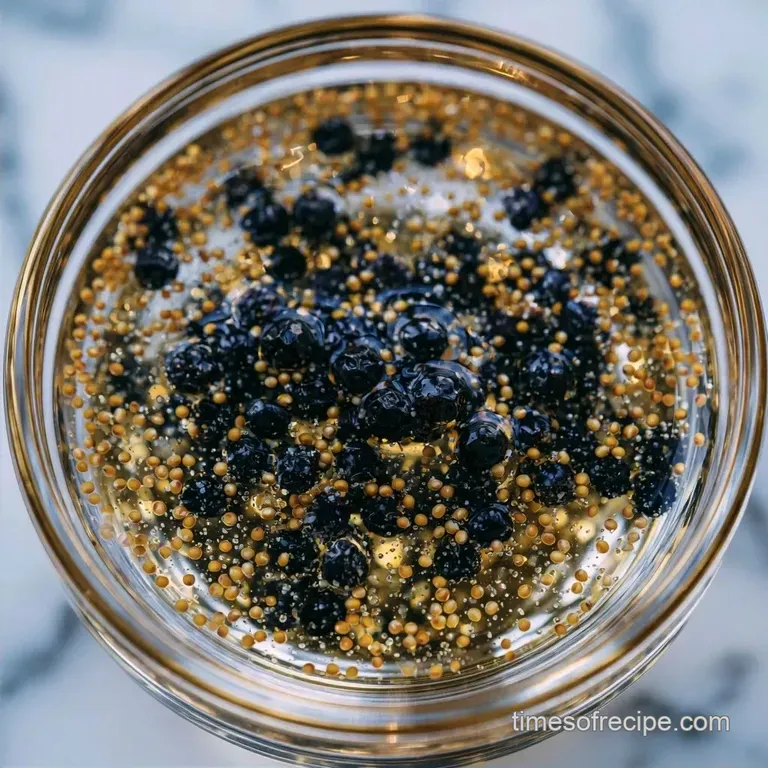
- Time: 5 min active + 5 min cook
- Flavor/Texture Hook: Tangy, bold, and snap crisp
- Perfect for: Quick refrigerator pickles, meal prep, or appetizers
The pungent aroma of white vinegar heating in a pot immediately reminds me of the kitchen where I spent my childhood. My grandmother didn't rely on modern gadgets, using only a few heavy glass jars and a reliable pot.
For her, preserving wasn't just a chore; it was how she captured the vibrant flavors of summer to enjoy throughout the winter. Every jar of carrots or cucumbers was like a small gift saved for the future.
I spent years trying to recreate that exact snap and zing. I remember one batch that tasted like plain salt water and another so tart it made my eyes sting. The secret is all in the equilibrium of the liquid.
Crafting a Pickle Brine isn't a complex scientific process, but a matter of getting the ratio of acid, sugar, and salt just right.
This recipe provides a bright, high contrast base that works for almost any vegetable. Whether you are preparing red onions for tacos or classic dill spears, you'll achieve a satisfying crunch. It is wholesome, comforting, and gives your pantry the feel of a traditional home.
Homemade Pickle Brine
| Method | Time | Texture | Best For |
|---|---|---|---|
| Stovetop | 10 mins | Uniform snap | Fast results |
| Cold Steep | 24 hours | Softer crunch | Raw herbs |
The stovetop method is my go to because it integrates the flavors instantly. It's a fast way to get that bold, traditional taste without waiting days for the vegetables to soak.
What Each Ingredient Does
| Ingredient | Role | If You Don't Have It |
|---|---|---|
| White Vinegar | Acid and preserve | Apple cider vinegar (adds sweetness) |
| Kosher Salt | Texture and flavor | Sea salt (use slightly less) |
| Granulated Sugar | Balances acidity | Honey or maple syrup |
| Mustard Seeds | Earthy depth | Ground mustard (less texture) |
This liquid base relies on a specific balance. The vinegar provides the punch, while the sugar rounds out the sharp edges. According to Serious Eats, the type of vinegar you choose can significantly shift the final flavor profile from neutral to fruity.
Ingredients and Substitutes
- 1 cup white distilled vinegar Why this? Neutral acid that lets veggie flavors shine
- Substitute: Rice vinegar (milder, slightly sweeter)
- 1 cup water Why this? Dilutes acidity for a balanced bite
- Substitute: Filtered water to avoid mineral cloudiness
- 1 tbsp kosher salt Why this? Coarser grains dissolve evenly
- Substitute: Pickling salt (be careful, it's saltier)
- 1 tbsp granulated sugar Why this? Cuts the sharp vinegary sting
- Substitute: Brown sugar for a deeper, molasses note
- 1 tsp black peppercorns Why this? Adds a subtle, woody heat
- Substitute: White peppercorns for a milder taste
- 1 tsp mustard seeds Why this? Provides a traditional pungent snap
- Substitute: Celery seeds for a more herbal vibe
- 1/2 tsp red pepper flakes Why this? Gives a warm, lingering glow
- Substitute: Fresh sliced jalapeños for a brighter heat
Essential Kitchen Gear
While basic equipment suffices, a few specific tools simplify the process. A small saucepan is essential; choose one with a heavy base to prevent the sugar from scorching in the corners.
A whisk is far more effective than a spoon for quickly breaking up salt clumps. For storage, wide mouth mason jars are the go-to choice, allowing you to pack vegetables tightly without causing any bruising.
Making Your Brine
- Mix the white vinegar, water, kosher salt, and sugar in a small saucepan. Note: Stirring before you heat the mixture prevents clumps
- Stir in the black peppercorns, mustard seeds, and red pepper flakes.
- Set the pan over medium high heat.
- Whisk the liquid continuously until it reaches a simmer.
- Ensure the sugar and salt grains have completely dissolved. Note: The liquid should appear clear and not grainy
- Take the pot off the burner as soon as it simmers to avoid excess water evaporation.
- Let the Pickle Brine cool for 2-3 minutes.
- Pour the hot liquid over the vegetables packed in your jars.
- Secure the lids tightly and allow them to cool on the counter before moving them to the fridge.
Fixing Common Issues
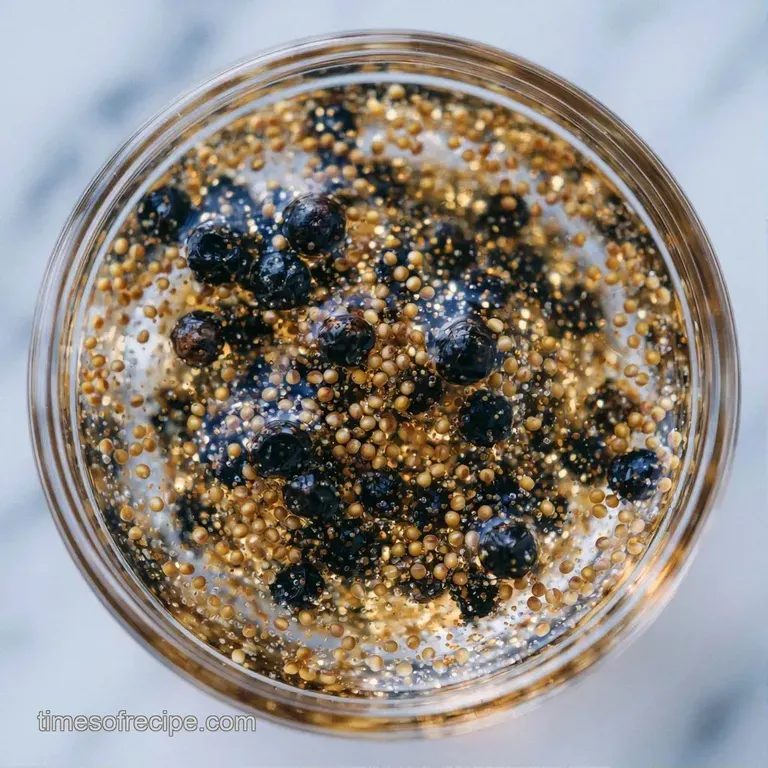
Sometimes the liquid doesn't look or taste quite right. Most of these issues come down to the water or the salt you used. If the liquid looks foggy, it's usually a reaction between minerals in your tap water and the acid.
When the salt is too aggressive, it's often because table salt was used instead of kosher salt. Table salt is denser, meaning a tablespoon of it contains way more sodium than a tablespoon of kosher salt. This can make your vegetables shrivel too much.
Cloudy Liquid Issues
Cloudiness usually happens when you use iodized salt. The iodine reacts with the vinegar. Use filtered water and non iodized salt to keep the liquid crystal clear.
Overly Salty Taste
If the Pickle Brine tastes like a salt mine, you likely used a fine grain salt. You can fix this by adding a splash more water and a pinch more sugar to balance it out.
Soft Vegetables
This happens if the liquid was boiling hot when poured. Let the brine cool for a few minutes first. This prevents the heat from "cooking" the vegetables and ruining the snap.
| Problem | Root Cause | Solution |
|---|---|---|
| Cloudy liquid | Iodized salt or hard water | Use kosher salt and filtered water |
| Too salty | Used table salt instead of kosher | Dilute with a bit more water |
| Soggy veggies | Poured brine while boiling | Cool brine for 3 mins before pouring |
Mixing Up Flavors
This base is a blank canvas. If you want something a bit more complex, try adding a smashed garlic clove or a sprig of fresh dill to each jar. For a sweeter version, you can double the sugar and add a cinnamon stick.
If you're in a rush and don't want to turn on the stove, you can try a no cook brine which relies on shaking the ingredients. However, the stovetop method integrates the spices more deeply into the Pickle Brine.
For those who love a more universal approach, a quick pickling brine can be adjusted for everything from watermelon radishes to cauliflower. Just remember to keep the acid to water ratio steady.
Decision Shortcut:
- Extra tang? → add 1 tbsp lemon juice
- Sweeter? → increase sugar by 1 tsp
- Spicy? → double the pepper flakes
Storing Your Liquid
Store your finished jars in the fridge. They'll stay fresh for about 4 weeks, though the flavor is most bold in the first 10 days. Don't leave them on the counter, as these aren't canned for shelf stability.
If you have leftover Pickle Brine in the pot, don't toss it. You can use it as a marinade for grilled chicken or drizzle it over a potato salad for a bright kick. I often keep a small jar of it in the door of the fridge just for seasoning.
You can also reuse the liquid from a jar of pickles once you've eaten the vegetables. Just simmer it for a minute to refresh it and add a bit more salt if the flavor has faded. It's a great way to ensure zero waste in the kitchen.
Serving Your Veggies
The best way to serve these is chilled. The cold temperature enhances the snap of the vegetables and makes the acidity of the Pickle Brine feel refreshing. They're a great contrast to rich, fatty foods.
Try serving them alongside a hearty roast or a grilled cheese sandwich. The brightness cuts through the grease and cleanses the palate. I love putting pickled red onions on top of a burger to add a pop of color and a sharp zing.
When you're tasting the Pickle Brine, look for that balance where the salt and vinegar hit at the same time. It should feel bold but not overwhelming. If it feels too sharp, a tiny pinch of sugar added to the serving bowl can mellow it out.
How the Texture Works
The snap of a pickle comes down to how the liquid interacts with the plant cells. The salt in the Pickle Brine draws water out of the vegetable, which makes the walls of the cells tighter.
The Salt Factor: Salt creates a pressure that pushes moisture out, allowing the vinegar to seep in without breaking the structure.
The Acid Ratio: A 1:1 ratio of vinegar to water keeps the pH low enough to preserve the food but high enough that it doesn't turn the vegetables into mush.
The heat from the simmering process helps the salt and sugar penetrate the skin of the vegetables faster. This is why the stovetop method feels more integrated than cold soaking. By the time the Pickle Brine hits the jar, it's a stable solution that locks in the crunch.
CRITICAL: Very High in Sodium
1450 mg 1,450 mg of sodium per serving (63% 63% of daily value)
The American Heart Association recommends a daily sodium limit of 2,300mg for most adults to maintain heart health.
Tips to Reduce Sodium in Your Brine
-
Reduce Kosher Salt-30%
Cut the amount of kosher salt by half or more to drastically lower the sodium levels while still maintaining a brining effect.
-
Use Salt Alternatives-25%
Replace a portion of the salt with a potassium based salt substitute to maintain the salty flavor with significantly less sodium.
-
Increase Acidity-10%
Add a splash of lemon juice or increase the white distilled vinegar to provide a sharp tang that compensates for less salt.
-
Enhance Spices
Increase the amount of black peppercorns and mustard seeds to add more depth and aromatic flavor to the mixture.
Recipe FAQs
Can I reuse the brine from refrigerator pickles?
Yes, you can reuse it for a second batch of vegetables.
Tip: simmer the liquid for one minute to refresh the flavor before adding new produce.
Do vinegar based homemade pickles require refrigeration?
These must stay in the refrigerator because they are not processed for shelf stability.
Tip: keep them chilled for about 4 weeks for the best quality.
Is it true store-bought pickle juice works for making new pickles?
That's a myth. Commercial juices lack the salt and acid concentration needed to preserve fresh vegetables safely.
Tip: stick to the white vinegar and kosher salt ratio provided in the recipe.
Can you pickle vegetables using only vinegar?
Actually, no. Salt is necessary to maintain the crispness of the vegetables.
Tip: use kosher salt specifically to avoid the cloudy brine caused by iodized salt.
How do I make pickled cucumbers at home?
Simmer white vinegar, water, salt, and sugar with peppercorns and mustard seeds until dissolved.
Tip: let the liquid cool for 2-3 minutes before pouring it over your cucumbers.
How can I make homemade pickles with white vinegar?
Combine one cup vinegar and one cup water with salt, sugar, and red pepper flakes in a saucepan.
Tip: if you enjoyed the balance of acid in this brine, try the same technique with quick pickled red onions.
How to make sweet pickles without canning?
Dissolve granulated sugar and kosher salt into a simmering vinegar and water mixture.
Tip: pour the hot brine over your vegetables and store them in the refrigerator immediately.
Should homemade pickles ever stay on the counter?
False. These must be kept cold to prevent spoilage.
Tip: keep a small jar in the fridge door for easy seasoning of other dishes.
Homemade Pickle Brine