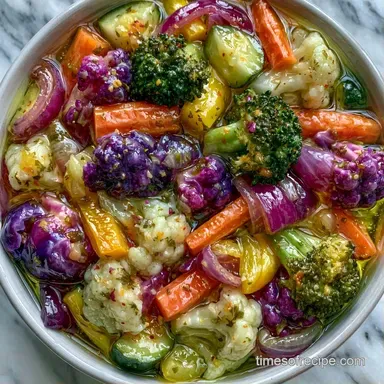
Quick Pickling Brine Recipe in 20 Minutes
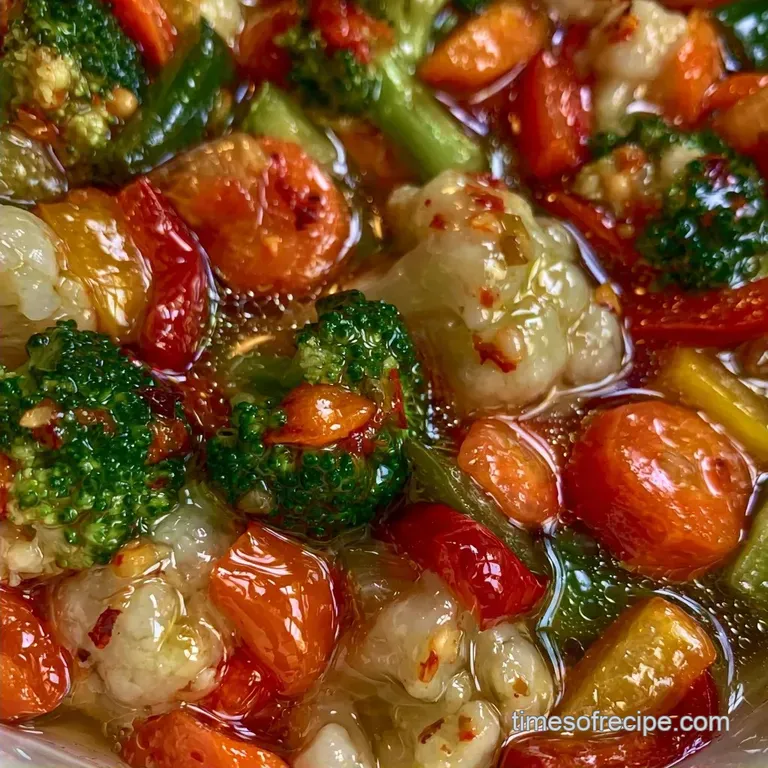
- Time: 10 min active + 24 hours chilling
- Flavor/Texture Hook: Tangy, punchy, and crisp
- Perfect for: Weeknight meal prep or burger toppings
- Quick Pickling Brine Recipe for Crisp Veggies
- How This Brine Works
- The Main Brine Ingredients
- Necessary Kitchen Tools
- Step-by-Step Brining Instructions
- Solving Common Brine Problems
- Scaling Your Brine Batch
- Debunking Pickling Myths
- Storage and Waste Guide
- Fun Flavor Variations
- Serving Ideas
- CRITICAL: Very High in Sodium
- Recipe FAQs
- 📝 Recipe Card
The sharp scent of boiling vinegar always reminds me of my first failed attempt at home. I thought I could just mix everything cold and let it sit, but I ended up with grainy sugar at the bottom of the jar and bland carrots. It was a mess, and honestly, it tasted like salty water.
Forget the idea that you need a pressure canner or a week of waiting to get a great pickle. You don't need specialized gear or an obsession with pH strips to make something that tastes professional. All you need is a basic pot and the right proportions.
This Quick Pickling Brine Recipe is designed for the busy cook who wants a bright, acidic pop to cut through rich foods. Whether you are doing red onions or cucumbers, this method ensures the liquid penetrates the vegetable quickly while keeping the snap.
Quick Pickling Brine Recipe for Crisp Veggies
Right then, let's get into the specifics. This recipe makes enough liquid for one 32 oz glass jar. It is a high acid brine, meaning it is meant for the refrigerator, not the pantry shelf.
For those who like to track their nutrition, this is a very low calorie addition to any meal. It is naturally vegan and gluten-free. The key is the 24 hour wait, which allows the salt and vinegar to fully swap places with the water inside the vegetable cells.
How This Brine Works
Acid Ratio: Using more vinegar than water ensures the vegetables stay safe in the fridge and have that classic punchy flavor.
Heat Application: Boiling the liquid ensures the sugar and salt dissolve completely. It also opens the pores of the vegetables, allowing the brine to soak in faster.
Salt Selection: Kosher salt lacks the anti caking agents found in table salt, which prevents the brine from looking cloudy.
| Method | Time | Texture | Best For |
|---|---|---|---|
| Stovetop | 20 mins | Slightly softer | Fast turnaround |
| Cold Steep | 24 hours | Maximum crunch | Patient cooks |
The Main Brine Ingredients
For the base, you need simple pantry staples. I prefer white distilled vinegar for a neutral, sharp taste, but you can swap it if you want something fruitier.
The sugar isn't there to make it a dessert. It simply balances the harshness of the acetic acid. Without it, the brine can taste a bit like cleaning fluid.
- 1 cup water
- 1 ⅓ cups white distilled vinegar Why this? Provides the necessary acidity for preservation
- ⅓ cup granulated sugar Why this? Balances the sharp vinegar bite
- 2 tbsp kosher salt Why this? Draws out moisture and adds savory depth
For substitutions, apple cider vinegar works well but adds a mellow, apple like note. If you are avoiding refined sugar, maple syrup is a decent alternative, though it will change the color of the liquid.
Necessary Kitchen Tools
No specialized gear is required for this process. A small saucepan and a glass jar are the only must haves. I suggest using a Mason jar, as the wide opening makes it much easier to pack the vegetables tightly.
A handheld strainer is useful for skimming out any floating peppercorns or seeds later, but a regular spoon works just as well.
Step-by-step Brining Instructions
- Mix the water, white distilled vinegar, sugar, and kosher salt in a saucepan. Note: Stir before heating to ensure there are no clumps.
- Set the pan over high heat.
- Bring the liquid to a rolling boil, stirring continuously.
- Stir until the salt and sugar have completely dissolved and the mixture is shimmering and clear.
- Remove the pan from the stove.
- Let the brine cool for 5 minutes. Note: You can skip this if you prefer the vegetables to soften more quickly.
- Pack your prepared vegetables firmly into a clean glass jar.
- Carefully pour the hot brine over the vegetables.
- Press the vegetables down until they are totally submerged under the liquid.
- Seal the jar and refrigerate for a minimum of 24 hours.
Solving Common Brine Problems
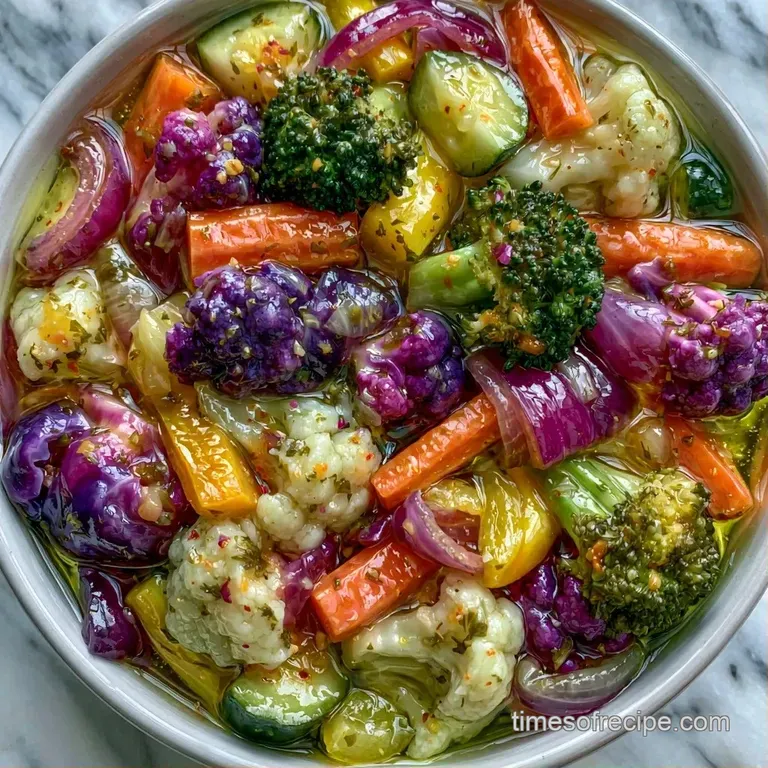
When things go wrong with a homemade quick pickling liquid, it usually comes down to the temperature or the packing method. If your vegetables feel a bit soft, you might have poured the boiling liquid over them too quickly.
Cloudy brine is often just a result of using table salt instead of kosher salt. It doesn't affect the taste, but it doesn't look as clean in the jar. If the flavor feels too aggressive, a splash of water can mellow it out after the pickling process is done.
Fixing Mushy Veggies
This happens when the cell walls of the vegetable break down. Pack your jars tighter and avoid over boiling the brine.
Dealing with Cloudy Liquid
Cloudiness usually comes from impurities in the salt. Stick to kosher or sea salt for a crystal clear result.
Handling Harsh Acid
If the vinegar taste is too strong, you can dilute the finished brine with a tablespoon of water.
| Problem | Root Cause | Solution |
|---|---|---|
| Soft texture | Liquid too hot | Cool brine for 10 mins before pouring |
| Grainy liquid | Undissolved sugar | Stir more during the boil |
| Bland flavor | Too many vegetables | Increase brine volume to cover all veg |
Scaling Your Brine Batch
If you are just doing a small batch of radishes, you can easily cut this in half. Just use ½ cup water, ⅔ cup vinegar, 2-3 tbsp sugar, and 1 tbsp salt. Use a smaller pan so the liquid doesn't evaporate too quickly during the boil.
When doubling or tripling the recipe for a party, don't just multiply the salt and spices by three. I find that 1.5x to 2x the salt is usually plenty for larger batches. Work in multiple jars rather than one giant vat to ensure the vegetables stay submerged.
- For a saltier bite
- add 1 tsp extra kosher salt.
- For a crunchier snap
- chill the vegetables 30 minutes before pouring the hot brine.
- For a sweeter finish
- increase sugar by 2 tablespoons.
Debunking Pickling Myths
Many people think you must use a water bath canner to make pickles. That is only true if you want a shelf stable product. For refrigerator pickles, the acidity and the cold temperature of the fridge do the work.
Another common belief is that more salt leads to a longer shelf life. In a fridge environment, too much salt just ruins the flavor. The vinegar is the primary preservative here.
Storage and Waste Guide
Keep your finished pickles chilled for 4 weeks. Ensure the lid is sealed tight to stop the smell of vinegar from filling your entire refrigerator.
Save the remaining brine rather than pouring it down the drain, as it functions as a ready-made marinade. Use it to soak chicken breasts or toss it with boiled potatoes for a fast salad. Any leftover vegetable scraps, such as peppercorns or onion skins, can be tossed into the compost bin.
Fun Flavor Variations
The base Quick Pickling Brine Recipe is a blank canvas. For a Quick Pickled Onion Brine Recipe, add a pinch of paprika and a sliced jalapeño to the jar. The onions will turn a bright, neon pink that looks great on tacos.
If you want a Quick Dill Pickle Brine Recipe, add three smashed garlic cloves and a handful of fresh dill sprigs. For those who like a chunkier, sweeter style, try my Southern chow chow recipe.
You can also experiment with the acid. Apple cider vinegar creates a softer, more rustic taste, while rice vinegar is more subtle and works well with Asian inspired cucumbers.
Serving Ideas
These pickled vegetables are perfect for bringing a bright, acidic pop to richer meals. I highly recommend them on a juicy burger or served alongside a grilled steak.
They also pair beautifully with Swedish meatballs to balance the richness of the creamy sauce. Try using them as a topping for a charcuterie board with sourdough and sharp cheddar. Or, for a quick snack, enjoy them straight from the jar with a sprinkle of cracked black pepper.
CRITICAL: Very High in Sodium
3325 mg 3,325 mg of sodium per serving (145% 145% of daily value)
The American Heart Association recommends a daily sodium limit of no more than 2,300 mg, with an ideal limit of 1,500 mg for most adults to lower blood pressure.
Tips to Reduce Sodium
-
Reduce Kosher Salt-25%
Cut the kosher salt by half or a third; the acidity from the vinegar will still provide a strong punch.
-
Use Salt Substitutes-15%
Replace a portion of the salt with a potassium based salt substitute to maintain the salty profile with less sodium.
-
Enhance Acidity-10%
Slightly increase the white distilled vinegar or add a splash of lemon juice to compensate for the reduced saltiness.
-
Add Aromatic Spices
Incorporate mustard seeds, peppercorns, or fresh garlic cloves to add complex flavors without increasing sodium.
Recipe FAQs
How to make quick pickling brine?
Combine water, vinegar, sugar, and salt in a saucepan. Boil over high heat, stirring constantly until the liquid is clear and shimmering.
Is the 3:2:1 rule mandatory for all brines?
Actually, no. Ratios vary by vegetable; this specific recipe uses 1 ⅓ cups vinegar and 1 cup water for a balanced tang.
What is the fastest way to pickle?
Pour hot brine immediately over your vegetables. Skipping the 5-minute cooling step softens the produce faster for a quicker set.
Can leftover brine be reused?
Yes, use it as a marinade. If you enjoyed mastering the balance of acidity and salt here, apply that same flavor layering principle to our cinnamon bread.
Do homemade vinegar pickles require refrigeration?
Yes, they must stay chilled. Because these are refrigerator pickles and not heat processed for canning, refrigeration prevents spoilage.
Using store-bought pickle juice does it work for new batches?
Yes, though results vary. Commercial juices are stable, but making your own allows you to customize the salt and sugar levels.
Is it possible to pickle using only vinegar?
That's a myth. Water and salt are essential to balance the harshness of the acid and maintain a crisp vegetable texture.
Which steps are needed for pickled cucumbers?
Pack sliced cucumbers into a glass jar. Pour the hot brine over them until they are fully submerged and store them in the fridge.
Quick Pickling Brine Recipe