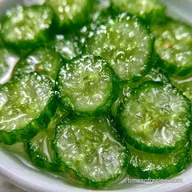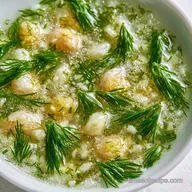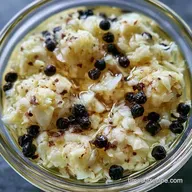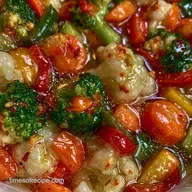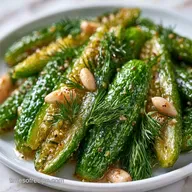
No Cook Pickle Brine: Tangy and Crunchy
Skip the stove entirely with this fast no-boil method that dissolves the salt directly in vinegar and water for quick crisp pickles.
no-boil method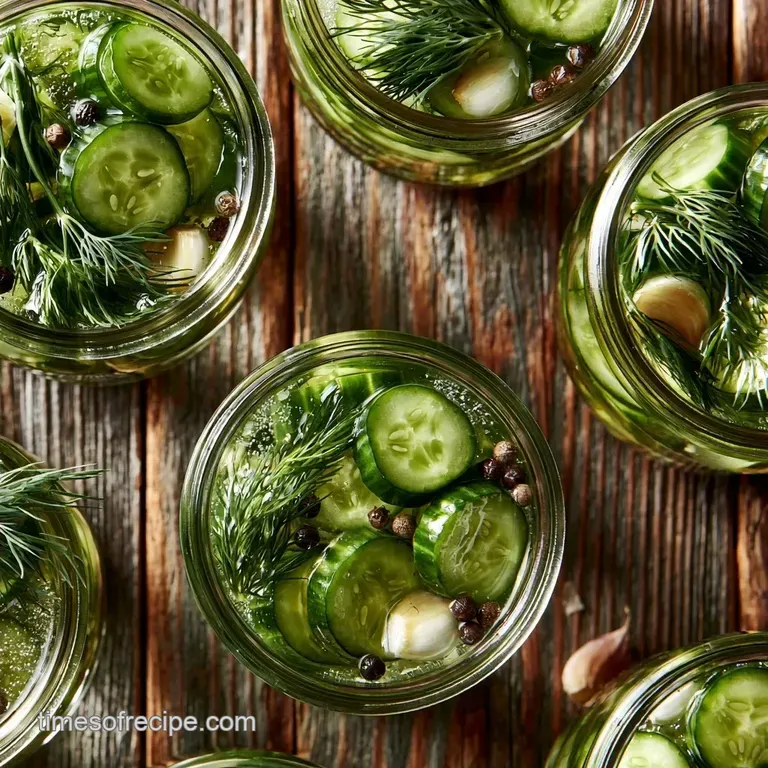
Making pickles at home does not require hot water baths, sterile canning jars, or hours of waiting. Refrigerator pickles rely on a simple balance of vinegar, water, and salt to preserve fresh vegetables directly in your fridge.
It is an approachable way to save summer produce or add a sharp, tangy crunch to your weekly meals.
The key to success lies in the brine. This collection of quick refrigerator pickle brine recipes provides reliable ratios and prep styles, from traditional boiled liquids to instant no-cook options. Whether you have ten minutes or twenty, you will find a formula here that works.
A great refrigerator pickle brine depends on a balanced ratio of vinegar, water, and salt to cure vegetables without heat processing. Unlike traditional shelf-stable canning, which requires sterile environments and precise acidity levels to prevent spoilage, refrigerator pickling focuses on speed and texture.
The standard mixture uses equal parts vinegar and water, though some cooks prefer a sharper ratio to emphasize the tang. High-quality kosher or pickling salt dissolves easily and keeps the liquid clear.
Because these pickling liquids are kept chilled from start to finish, they preserve the crisp snap of your fresh cucumbers, red onions, or green beans without making them mushy.
Choosing the right quick pickle brine ratio depends on your vegetables and how fast you want to eat them. If you are in a rush and want pickles by dinner, a no-boil method using warm water is your fastest route.
For a classic, balanced flavor that mimics deli spears, a traditional one-to-one ratio of vinegar and water works best. If you prefer sweeter pickles, look for a 3-2-1 ratio that includes a higher sugar content to balance the acidity.
Harder vegetables like carrots or green beans benefit from a hot brine, which softens them slightly, while delicate sliced cucumbers stay crisper with a cooled or entirely cold pouring liquid.
These recipes are designed for speed and convenience, letting you skip the stove entirely. By utilizing warm tap water or rapid-dissolve techniques, you can prep these pickling liquids in fifteen minutes or less. They are perfect when you need a quick batch of pickled red onions or cucumbers for tonight's dinner.
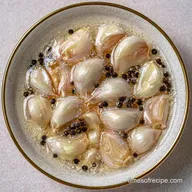
Skip the stove entirely with this fast no-boil method that dissolves the salt directly in vinegar and water for quick crisp pickles.
no-boil methodA classic pickling liquid recipe that boils in minutes, making it ideal for prepping crisp red onions or jalapeño wheels right before dinner.
10-minute prepThis simple recipe highlights a basic fridge pickle brine ratio to keep your summer vegetables crunchy and bright with minimal kitchen hands-on time.
fridge pickle ratioThis selection features classic ratios that deliver a clean, traditional deli flavor. These recipes balance distilled white vinegar with precise amounts of water and kosher salt to create a versatile base. They work beautifully with classic dill seasonings, garlic cloves, or peppercorns.
This universal pickling liquid balance works with almost any vegetable in your crisper drawer, keeping your weekly meal prep simple and efficient.
universal ratioUtilizing the reliable 3-2-1 pickling formula, this recipe balances sweet and tangy notes perfectly, ensuring a dependable flavor profile every single time.
pickling brine minutesA zesty dill-focused liquid designed to produce crunchy refrigerator spears with a clean herby finish that pairs perfectly with deli style sandwiches.
dill pickle profileThis quick white vinegar and salt mixture creates an excellent base for dill-forward pickles, dissolving ingredients rapidly for an effortless refrigerator recipe.
dill seasoning baseIf you prefer a punchy, sour finish, these vinegar-forward recipes are the ideal choice. They use higher ratios of acid to water to ensure a sharp bite that pairs wonderfully with rich meats and sandwiches. They are particularly well-suited for crisp, thick-cut cucumber coins and pepper slices.
Bring a bold salt and vinegar kick to your cucumber slices with this quick brine that enhances the natural snap of fresh garden veggies.
bold salt and vinegarA versatile vinegar pickle brine that relies on a simple ratio chart to help you easily scale your pickling liquid for any container size.
white vinegar baseA crisp white vinegar mixture that provides a sharp, traditional sour flavor, designed specifically to help your veggies retain their crunch in the fridge.
pickle brine minutesBecause refrigerator pickles are not heat-processed or shelf-stable, they must always be stored in the fridge. Typically, a clean glass jar with a tight-fitting plastic or lined metal lid is the best vessel for storage.
To reduce risk of spoilage, keep the vegetables fully submerged in the pickle brine water salt ratio at all times. Generally, refrigerator pickles remain safe and crisp for up to three to four weeks when kept chilled.
It is a good practice to use clean utensils when retrieving pickles from the jar to prevent introducing unwanted bacteria. If you notice any off-smells, cloudy brine, or yeast growth, discard the batch immediately.
| # | Recipes | Best For | Time | Difficulty | Flavor | Vegetable |
|---|---|---|---|---|---|---|
| 1 | No Cook Pickle Brine in 15 Minutes | Instant prep without heating the stove | 15 min | Easy | bright no-cook | cucumbers |
| 2 | Pickle Brine in 10 Minutes | Quick weeknight dinner prep | 10 min | Easy | classic sour | onions & cucumbers |
| 3 | Refrigerator Pickle Brine in 10 Minutes | Fast chilling and traditional crunch | 10 min | Easy | traditional fridge | mixed summer veg |
| 4 | Quick Pickling Brine in 20 Minutes | All-purpose pickling for garden vegetables | 20 min | Easy | universal tangy | any garden veg |
| 5 | Quick Pickling Brine Recipe in 20 Minutes | Consistent 3-2-1 pickling liquid ratio | 20 min | Easy | balanced 3-2-1 | green beans & okra |
| 6 | Refrigerator Pickle Brine in 15 Minutes | Classic garlic dill refrigerator spears | 15 min | Easy | herby dill | crisp cucumbers |
| 7 | Quick 10-Minute Pickle Brine | Quick dill seasoning blends | 10 min | Easy | dill brine | cucumbers & zucchini |
| 8 | Salt and Vinegar Pickle Juice for 3 Cups | Bold seasoning for sandwich chips | 15 min | Easy | bold salt & vinegar | cucumbers & peppers |
| 9 | Easy 10-Minute Pickle Brine | Mild pickling with minimal vinegar bite | 10 min | Easy | mild vinegar | radishes & carrots |
| 10 | Pickle Brine in 15 Minutes | Sharp pickling with classic white vinegar | 15 min | Easy | sharp white vinegar | any crisp vegetable |
Discover more curated recipe collections
Explore more recipe collections →