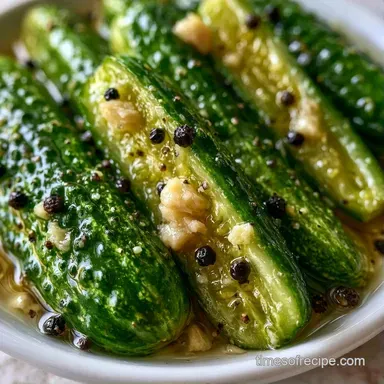
White Vinegar Pickle Brine for Crisp Veggies
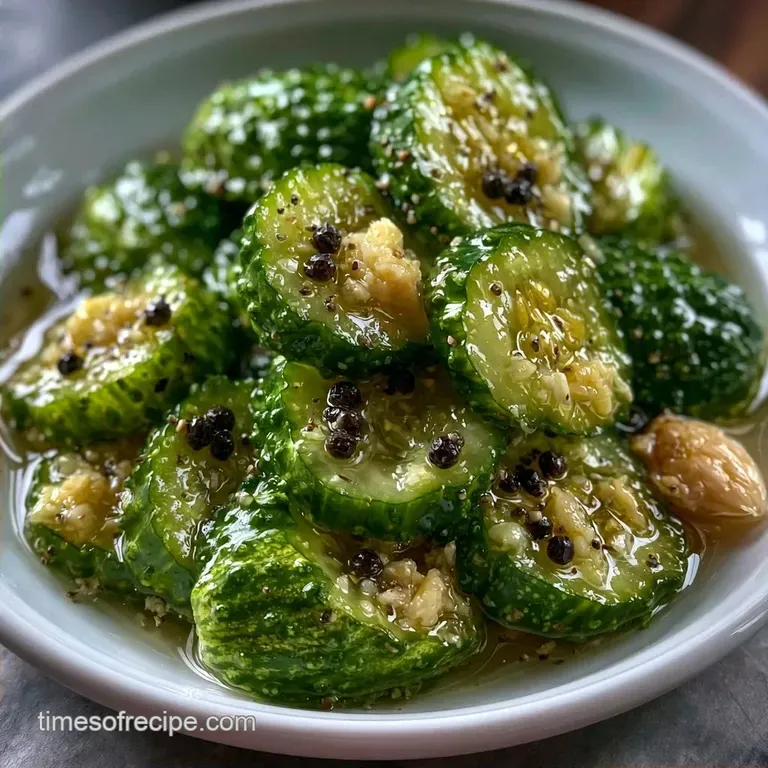
- Time: 10 min active + 5 min cook
- Flavor/Texture Hook: Sharp tang with a crisp, shattering snap
- Perfect for: budget-friendly meal prep and quick appetizers
Ever bite into a pickle and it just... collapses? That soggy, rubbery texture is the worst. You pay a premium for "artisanal" jars only to find a limp cucumber swimming in a syrup that tastes like salt and nothing else.
It's a common frustration. The problem usually comes down to a poor ratio of acid to salt, which breaks down the pectin in the vegetable too quickly.
This specific Pickle Brine is my go to for avoiding that mush. It's a budget friendly mix that delivers a professional snap without needing fancy equipment.
Why This Version Works
The 1:1 Balance: Equal parts vinegar and water keep the pH low enough to stop spoilage but not so high that it burns the flavor.
Salt Saturation: Using kosher salt creates a specific osmotic pressure that pulls water out of the veg, keeping them firm. According to Serious Eats, the salt concentration is what prevents the enzymes from softening the cell walls.
What Each Ingredient Does
| Component | Purpose | Substitute Notes |
|---|---|---|
| White Vinegar | Provides acid for preservation | Apple cider vinegar: Milder tang, slightly fruity |
| Kosher Salt | Maintains crispness and flavor | Sea salt: Works well, but check for additives |
| Granulated Sugar | Balances harsh acidity | Honey: Heavier profile, use 1 tbsp more |
| Garlic Cloves | Adds savory depth | Garlic powder: 1/2 tsp replaces 4 cloves |
Recipe Specs
You can make this in about 20 minutes. It's a high yield recipe that doesn't cost much to produce.
Precision Checkpoints:
- Ratio: Exactly 1.5 cups vinegar to 1.5 cups water.
- Heat: Bring to a gentle simmer, not a rolling boil.
- Steep: Exactly 5 minutes of resting time after heat is off.
Equipment Needed
Basic kitchen tools are all you need. A medium stainless steel saucepan is your best option, as it won't react with the vinegar's acidity. A measuring cup and a simple whisk or spoon for stirring will work perfectly.
Steps for a Great Brine
- Pour the distilled white vinegar, filtered water, kosher salt, and sugar into your saucepan. Note: Make sure salt is spread out so it dissolves evenly.
- Turn the heat to medium high.
- Whisk the liquid constantly until it reaches a gentle simmer.
- Keep stirring until the salt and sugar vanish and the liquid is clear.
- Take the pan off the heat immediately.
- Stir in the smashed garlic, peppercorns, mustard seeds, and red pepper flakes.
- Let the Pickle Brine sit for 5 minutes. Note: This lets the heat release the oils from the spices.
- Pour your hot Pickle Brine over your sliced vegetables in a jar.
Fixing Brine Texture Issues
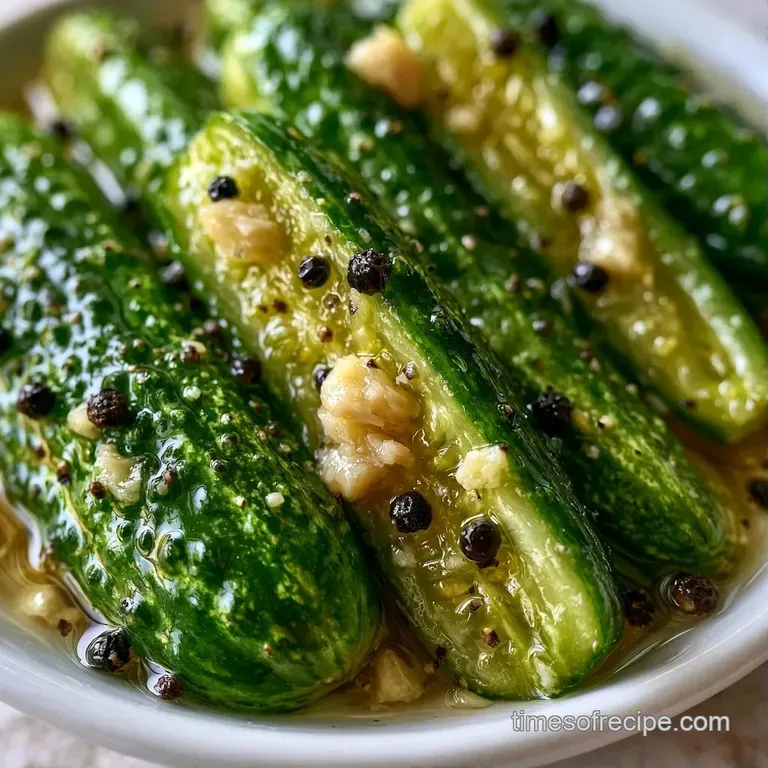
If you've noticed your vegetables getting soft, it's usually an issue with the salt or the temperature.
Fixing Mushy Vegetables
This happens when the acid is too strong or the salt is too low. If your vegetables are soft, check that you used kosher salt rather than table salt, which can sometimes contain anti caking agents that affect the texture.
Dealing with Cloudiness
Cloudy liquid usually means the sugar didn't dissolve fully or the garlic was bruised too heavily. It doesn't affect the safety of the Pickle Brine, but for a clear look, ensure you hit that simmer point before removing the pan from the heat.
Managing Over Salted Flavor
If the tang is too aggressive, you can dilute the mixture with a splash of filtered water. However, don't do this if you plan to store them for more than a week, as it lowers the acidity and can affect shelf life.
Adjusting the Batch Size
If you need to adjust the amount of Pickle Brine, simply multiplying the ingredients isn't always the best approach.
Scaling Down (1/2 Batch): Opt for a narrower pot to limit excess evaporation. Cut the simmering time by roughly 20%, as smaller quantities reach temperature more rapidly.
Scaling Up (2x-4x Batch): Avoid quadrupling the garlic and red pepper flakes, as they can easily dominate the flavor. Limit the increase of aromatics to 1.5x the base recipe. Decrease the water volume by about 10% to maintain a potent concentration in larger batches.
If you're looking for an alternative timing method, my quick brine recipe works well for smaller amounts.
Method Comparison
| Feature | Fast Method (Refrigerator) | Classic Method (Canning) |
|---|---|---|
| Prep Time | 20 minutes | 2-3 hours |
| Shelf Life | 3-4 weeks | 1-2 years |
| Texture | Extremely crisp | Slightly softer |
| Equipment | Glass jar | Water bath canner |
One big thing to remember: the fast method is great for a weeknight, but if you want something for the pantry, you'll need a different process.
Storage and Waste Tips
Store your finished jars in a sealed container in the cooler. This Pickle Brine stays good for about a month if kept cold.
Zero Waste Tips: Don't toss the leftover liquid. You can use the remaining Pickle Brine as a marinade for grilled chicken or a base for a potato salad dressing. If you have leftover garlic skins or peppercorn dust, compost them to keep your kitchen waste low. For a more traditional feel, check out this easy homemade brine.
Best Ways to Serve
This brine works for more than just cucumbers. Try it with sliced red onions, carrots, or cauliflower.
The sharp contrast of this Pickle Brine makes it a great topper for a greasy burger or a fatty piece of pork belly. I also love using it on a charcuterie board to cut through the richness of a Brie or a sharp Cheddar.
Try These Flavor Changes
You can tweak the base to fit whatever you're craving.
For a sweet heat vibe: Add 1 tablespoon of brown sugar and an extra pinch of red pepper flakes. This makes the Pickle Brine taste more like a bread and butter style mix.
For a low sodium swap: Reduce the salt to 1 tablespoon. Note: This will shorten the shelf life, so eat them within 10 days.
For a fruit forward twist: Swap the white vinegar for apple cider vinegar and add a slice of fresh ginger. This is a great way to use the Pickle Brine for pickled pears or apples.
Decision Shortcut:
- For a firmer snap: chill the vegetables for 2 hours before adding the brine.
- For a deeper garlic taste: let the brine steep for 10 minutes instead of 5.
- For a milder tang: increase the water by 1/4 cup.
Right then, you've got a reliable, cheap way to get that crunch back into your condiments. This Pickle Brine is all about the ratio, so stick to the measurements and you'll avoid the mush every time. Trust me, once you taste the difference in the snap, you won't go back to store-bought. Enjoy your Pickle Brine!
Critical in Sodium
1648 mg 1648 mg of sodium per serving (72% 72% of daily value)
The American Heart Association recommends a limit of 2,300mg of sodium per day for most adults to maintain heart health.
Tips to Reduce Sodium
-
Reduce Kosher Salt-25%
The primary sodium source is the kosher salt; reduce the amount by half to significantly lower the overall sodium content.
-
Use Salt Substitutes-20%
Replace a portion of the salt with a potassium based salt substitute or a salt free seasoning blend.
-
Enhance Acidity-10%
Increase the distilled white vinegar or add a splash of lemon juice to provide a sharp, salty like perception with less actual salt.
-
Boost Aromatics
Increase the amount of smashed garlic or add fresh herbs to create a bolder flavor profile without adding any sodium.
Recipe FAQs
What is the ratio of vinegar to water for pickling brine?
Use equal parts. Combine 1.5 cups distilled white vinegar and 1.5 cups filtered water to achieve the proper acidity.
Can white wine vinegar replace distilled white vinegar?
Yes, but the taste differs. It offers a softer, fruitier profile than the sharp bite of distilled white vinegar. For other vegetable options, this same acidity balance works in our universal brine.
Do vinegar based homemade pickles require refrigeration?
Yes, keep them chilled. Because these are not processed in a water bath canner, they must stay cold to maintain safety and crunch.
How to make pickled cucumbers at home?
Pack fresh slices into jars. Pour the hot brine over the cucumbers and allow them to sit for the flavors to develop.
Is it true you can pickle using only vinegar without adding water?
That's a myth. Pure vinegar is too aggressive and will mask the natural taste of the vegetables.
White Vinegar Pickle Brine